Notes in the Margin
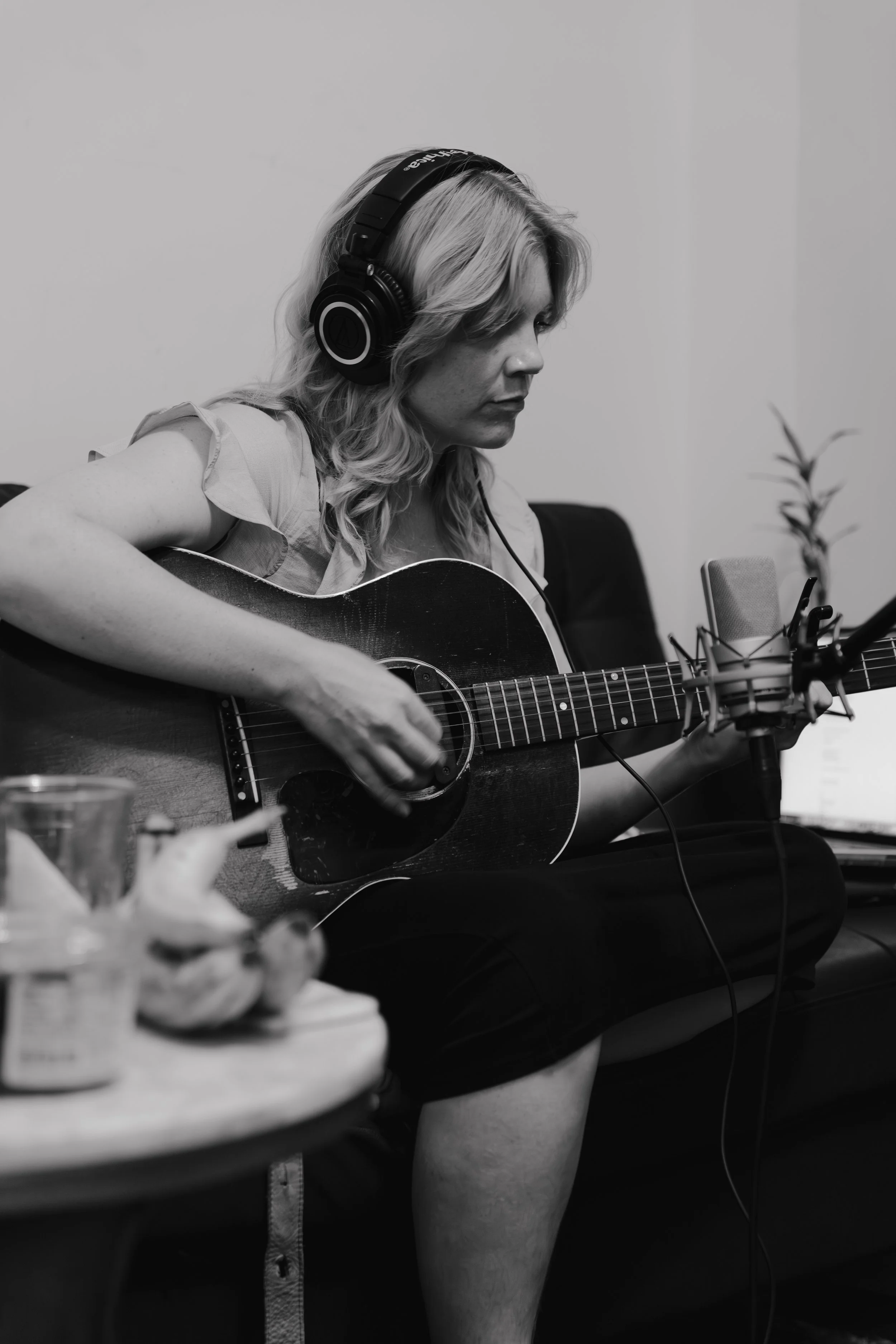
Welcome to the notes in the margin of the making of “Great Fiction”.
Start by listening to the album, then discover the stories behind the songs track by track, and exclusive behind the scenes videos, scribbles, and thoughts.
A note from Helena:
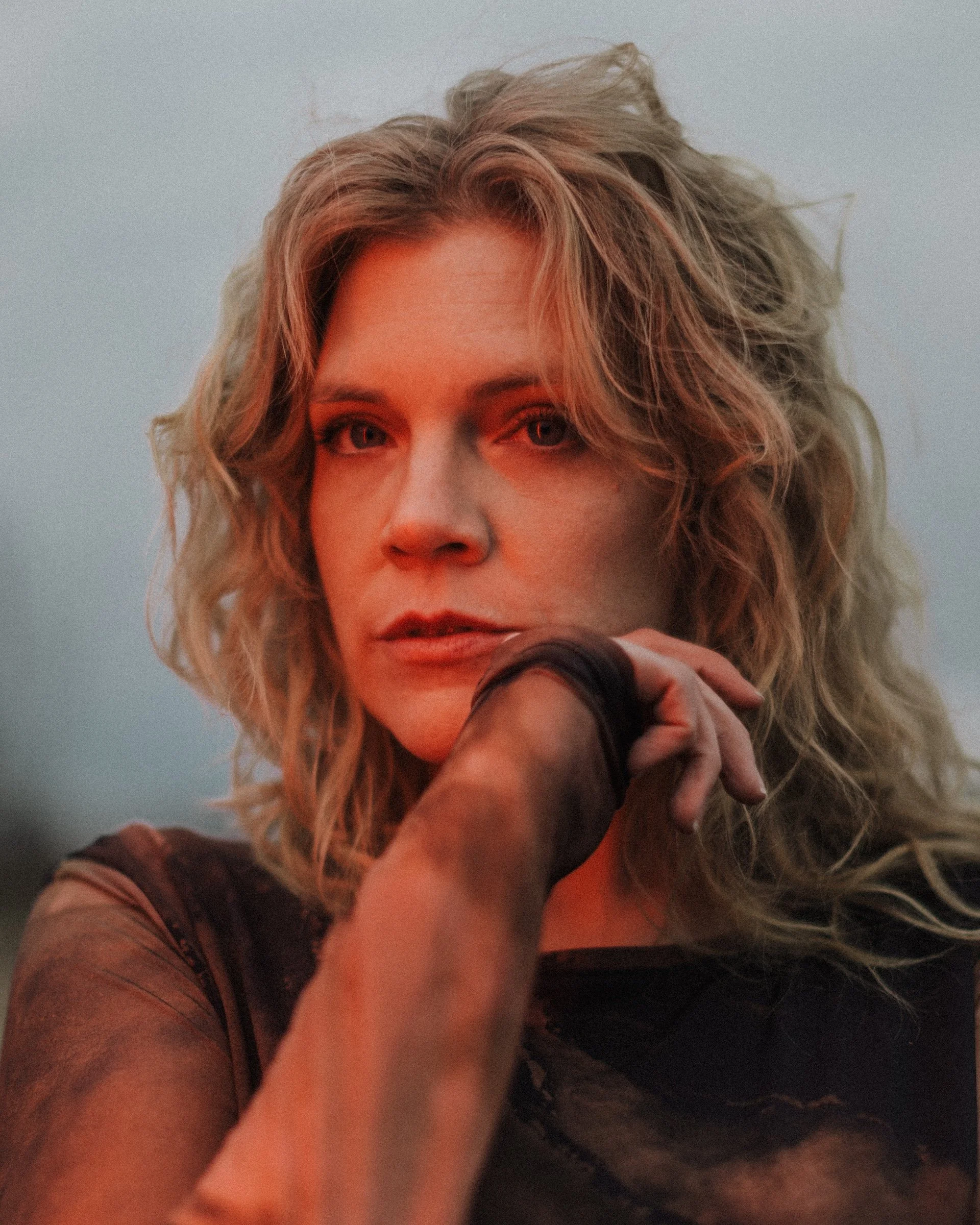
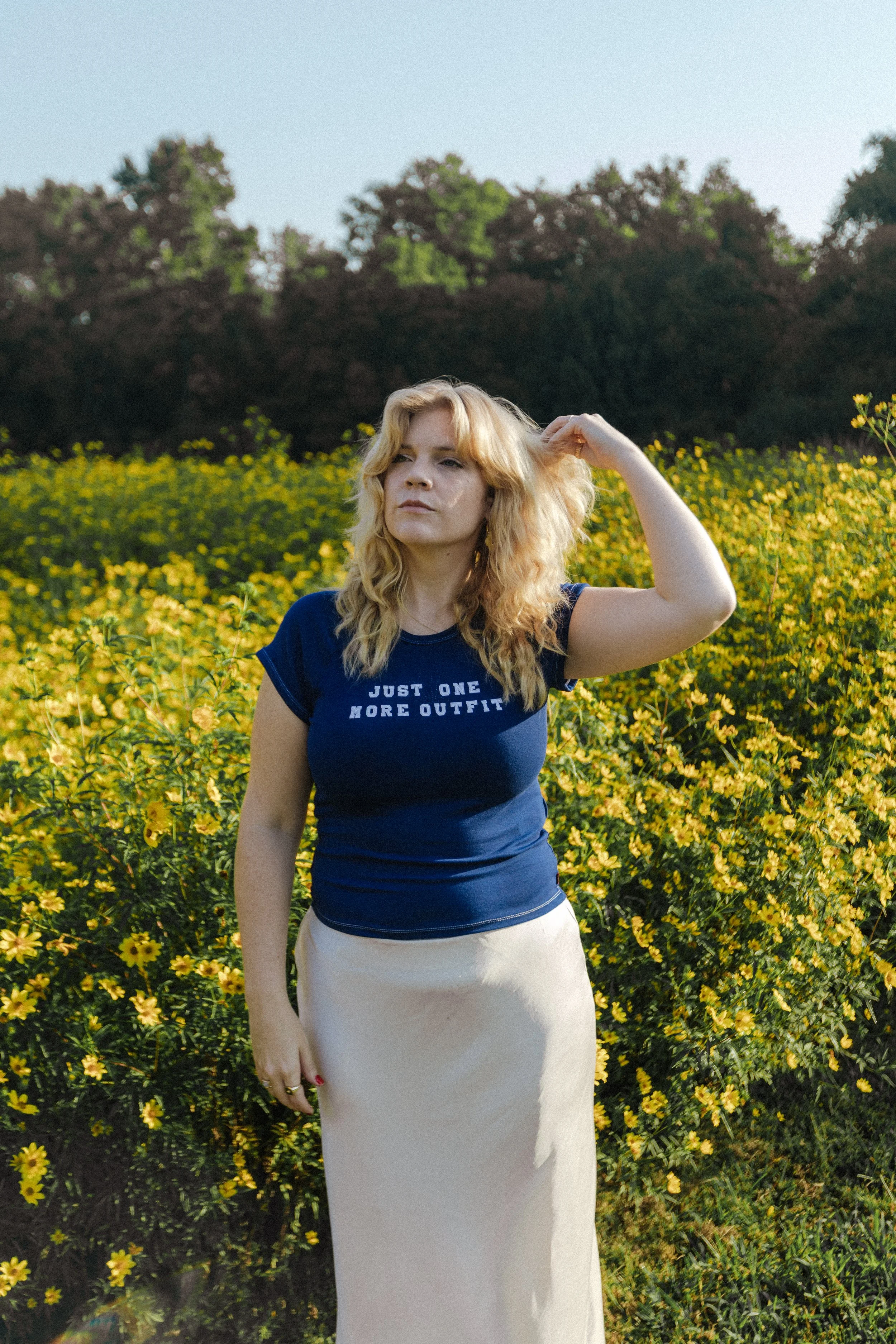
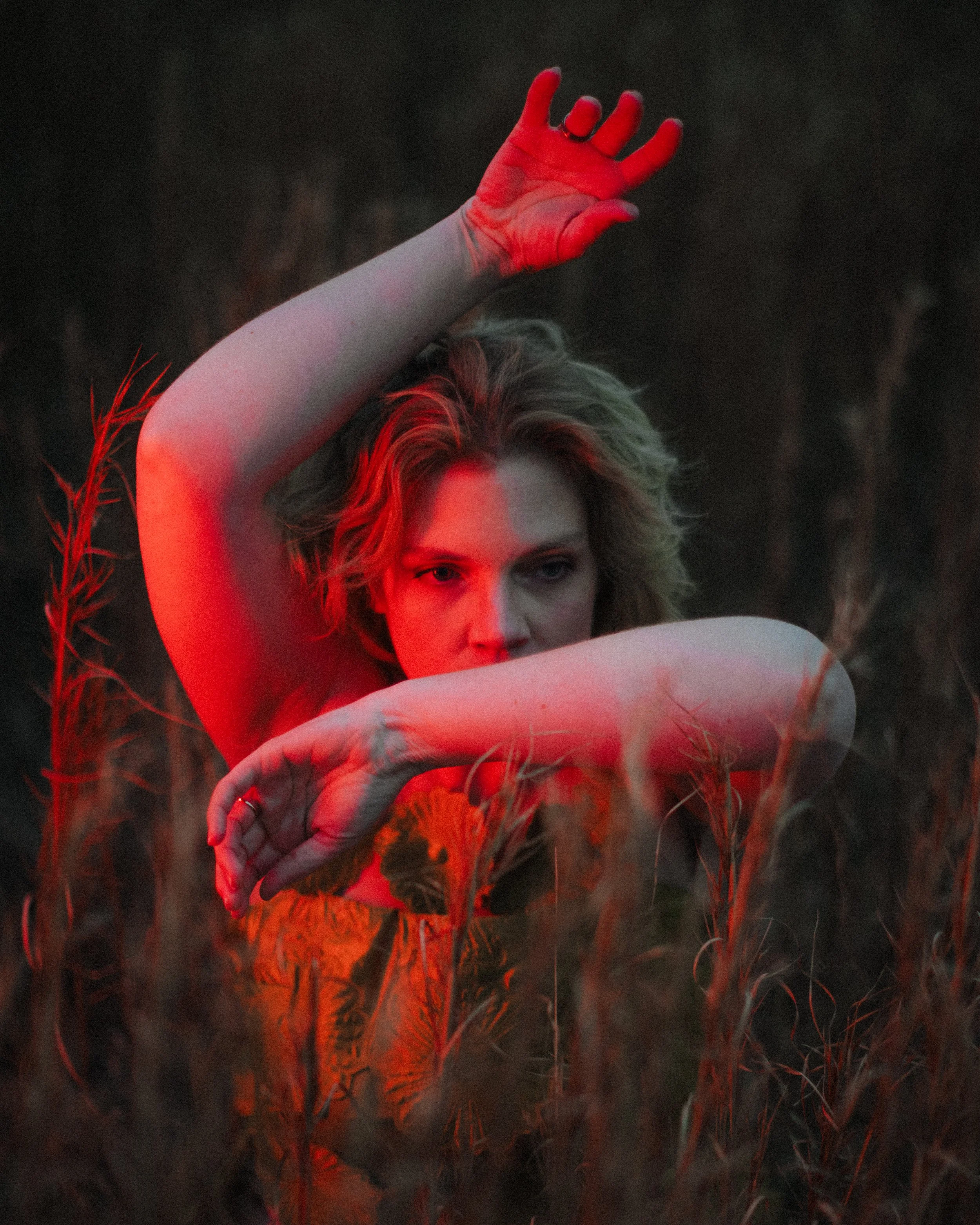
Welcome to the great fictions behind Great Fiction! The songs of GF were written between Sept 2024 and August 2025. It was a time of a lot of personal growth, as well as marking my 10-year anniversary living in the United States, which ultimately makes this an album steeped both in personal stories and social commentary.
Some of these songs I need(ed) personally, others were written out of the feeling of Weltschmerz at the sight of the state of the current world.
Welcome to
“Great Fiction”
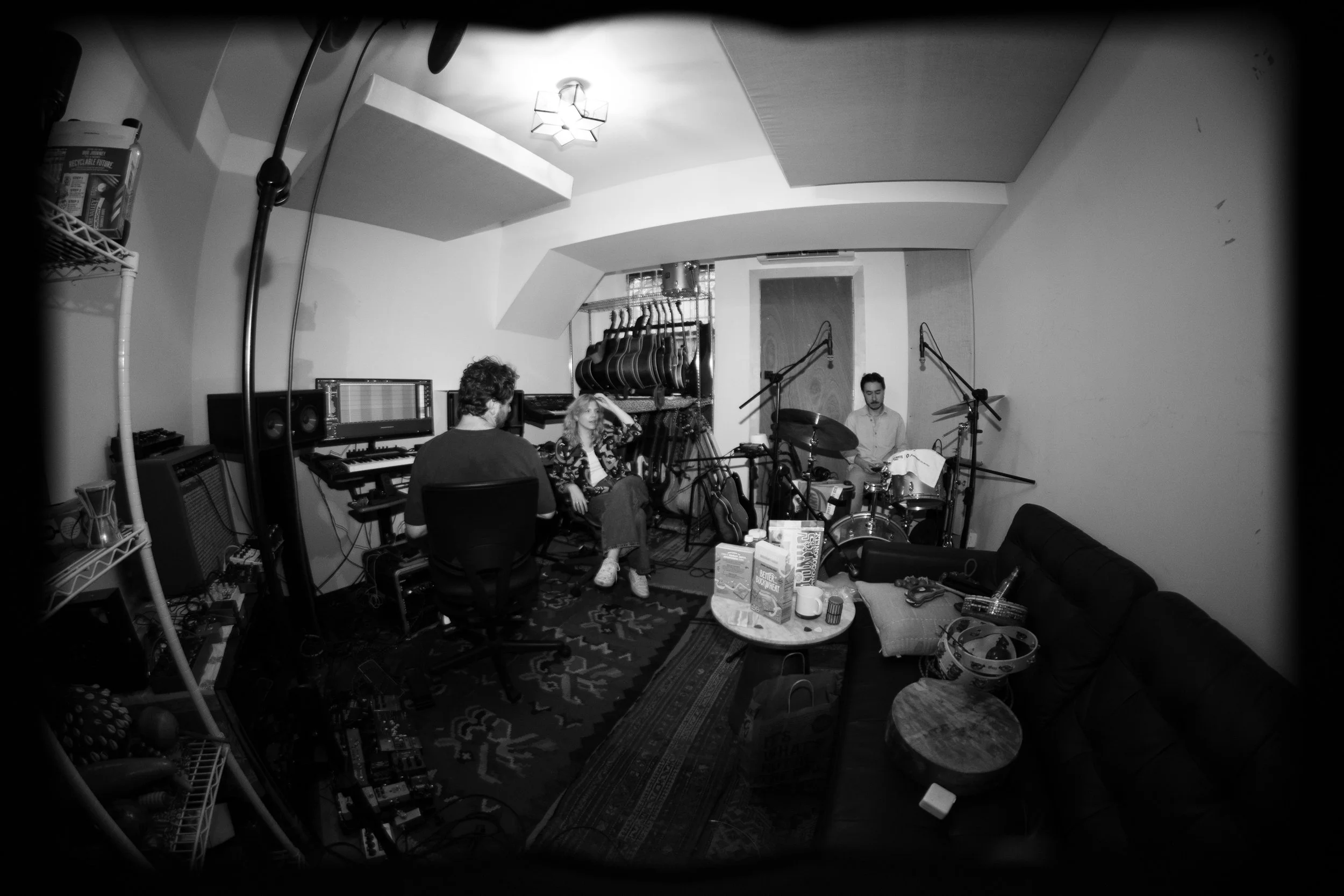
Great Fiction is an unflinching exploration of the myths we are told to believe—and the ones we tell ourselves to survive. Written by Nashville-based Swedish-Swiss songwriter Helena Hallberg, the record moves beyond the polished surfaces of modern folk to examine the friction of living in a world of fractured connections and digital noise.
Track 1: “Road Less Traveled”
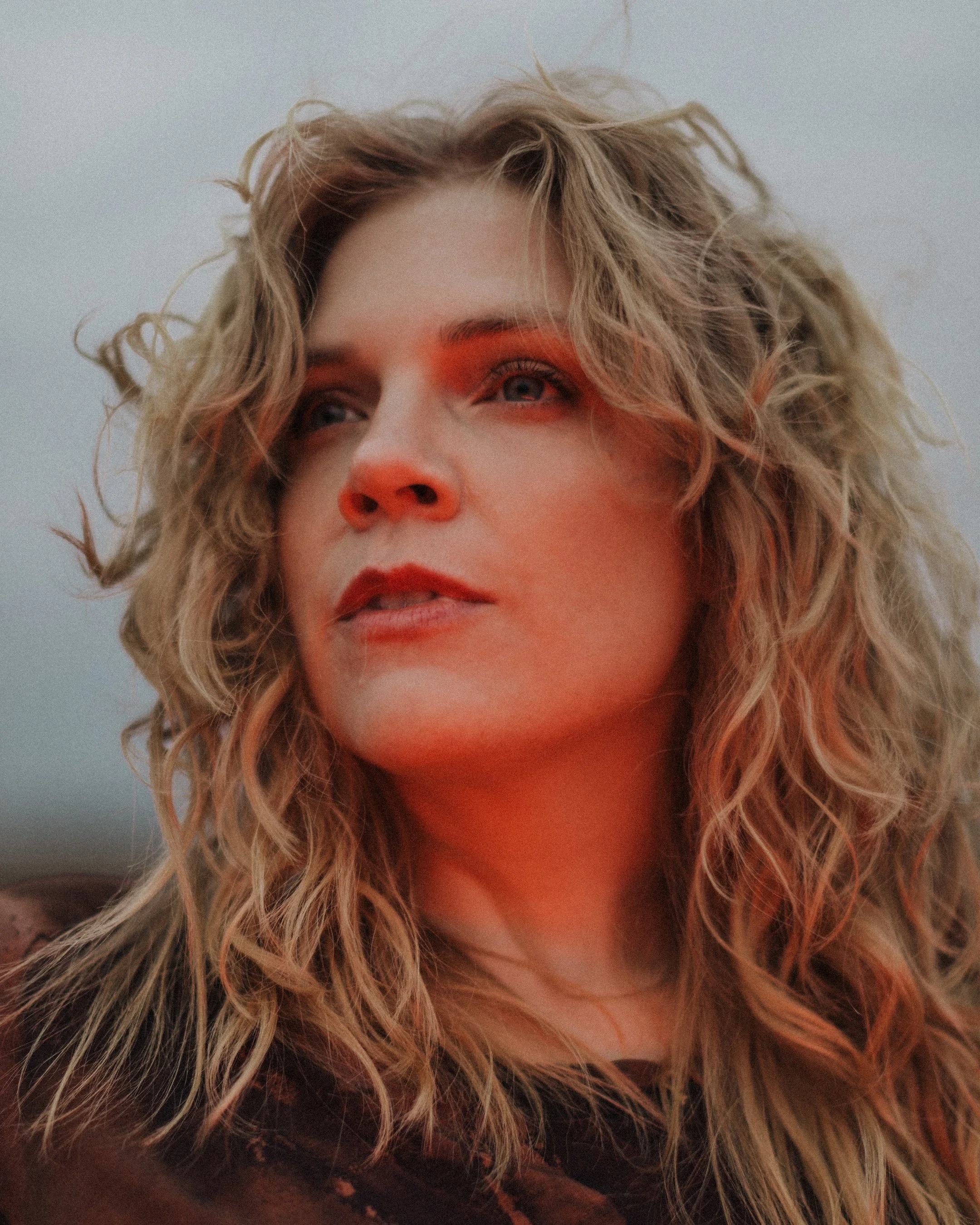
"Road Less Traveled" is an anthem about preserving your own perspective in a world where everyone is following a pre-drawn map. Hallberg questions the pressure to constantly alter who we are just to fit into someone else's trend cycles or narratives. Ultimately, the song serves as a direct reminder to protect your own mindset. It is a straightforward call to keep your curiosity alive, especially when you reach the end of the road that has already been built for you.
“So if I find you on the road less traveled
Dealing with what you’ve unraveled
At least we asked all the questions
Cleared up any misconceptions”
Track 2: “Fuel”
"Fuel" captures the physical and mental exhaustion of constantly operating at maximum capacity. Hallberg describes the relentless pressure to perform, starting the day at dawn as if life itself were an endless aptitude test. The song focuses on the moment the system breaks down—when the drive to keep pushing ("all gas no brakes") leaves you running completely on empty. Rather than offering an easy solution, it honestly depicts the desperate search for something to keep you going when you've reached your limit. Ultimately, it is a direct look at the burnout that comes from navigating impossible expectations when the well has finally run dry.
“I just need some fuel
My heart reactor’s cool
Now I just need some fuel”
Track 3: “Alpenkitsch”
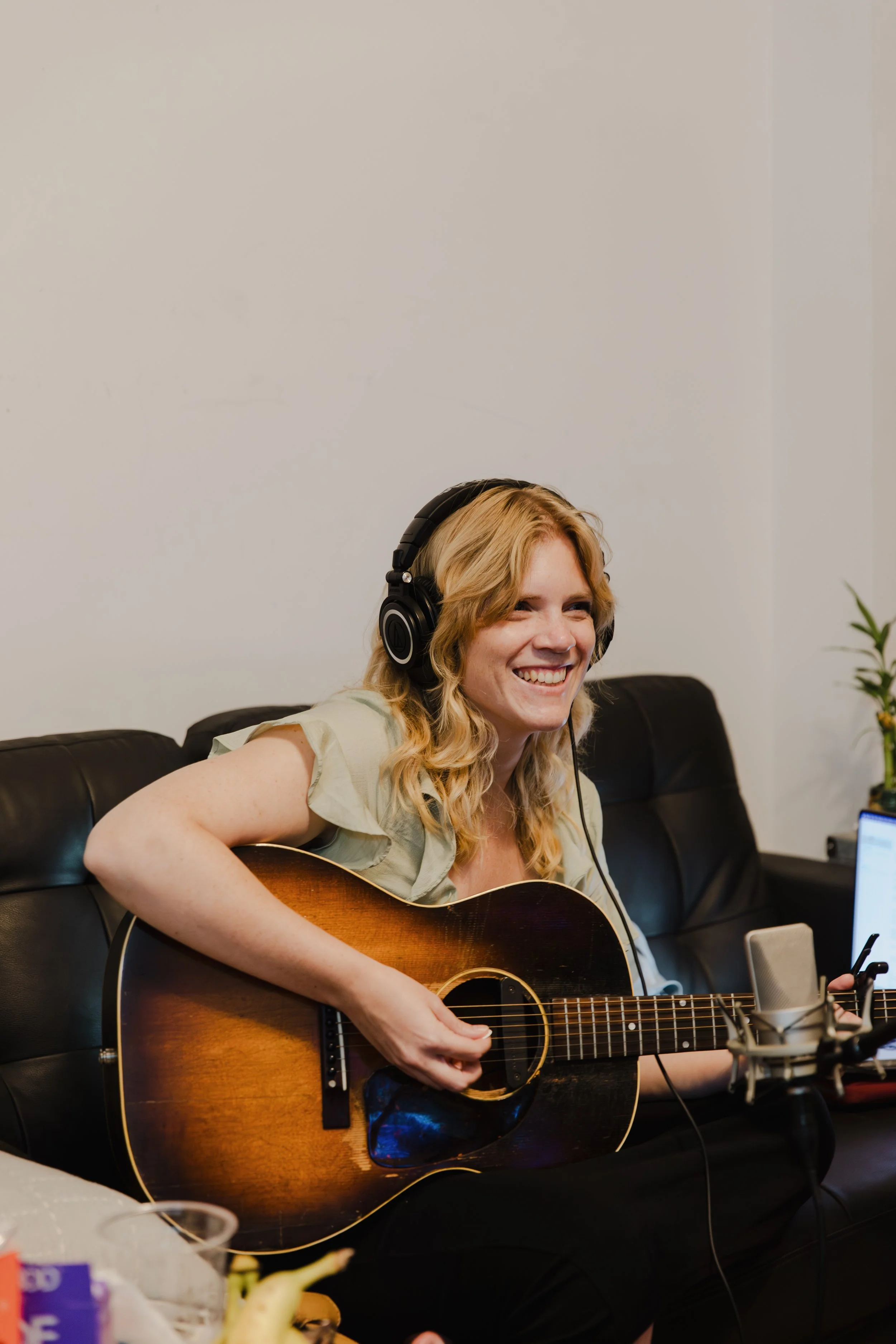
"Alpenkitsch” examines the psychological friction of voluntary exile, detailing her move from Switzerland to the hills of Tennessee. Rather than a straightforward song about homesickness, it serves as a pragmatic critique of staying in a place that feels static, ultimately defending her choice to "descend" the mountain to find independence, while framing her departure as a necessary response to unrequited cultural belonging. It anchors the album's broader themes of millennial displacement, focusing on the unvarnished reality of moving forward alone.
“Alpenkitsch, Alpenkitsch
Carry me home
To your heart of green carpets
And your walls made of stone”
Track 4: “Good Consumer”
Driven by a gritty, grunge-tinged indie-rock groove, "GC" takes an aggressive, self-deprecating swing at the wellness-to-consumerism pipeline.
Instead of pointing fingers from a distance, the track turns the critique inward: examining my own vulnerability when trying to buy my way out of sadness. From GLP injections and anti-aging treatments to endless supplements, "GC" digs into the desperate loop of looking for internal healing in external transactions, only to end up right where you started—just broke, isolated, and a "good consumer."
“Run baby, baby
Run baby run
They’re all on your tail
And selling you something”
Track 5: “Same Team”
This track shifts into a synthy vibe to look at how exhausting modern "us vs. them" culture has become. Using the high-stakes lens of American football—with its team colors, flying banners, and fierce rivalries—Hallberg analyzes how easily shared social ideals get turned into a game of choosing sides.
It contrasts the massive, unified energy of a stadium against the isolated reality of our digital lives, where hiding behind a screen and "being right" feels safer than actually stepping outside. It’s a groovy, cynical look at modern conformity that ultimately asks if the fierce lines we draw to divide ourselves are just a great fiction.
“So where were you born?
And what do you worship?
And is it worth it?”
Track 6: “92”
In this track, Hallberg uses her '92 birth year and 90s upbringing as a conceptual anchor to process the pain of inheriting a deeply fractured, desolate world.
Instead of a standard nostalgia trip, the song analyzes the psychological toll of realizing that modern society was actively built against real human interaction— highlighted by dead downtowns and isolated suburbs.
By pairing these childhood reference points against a looming environmental collapse, the track serves as a stark look at the frustration of trying to find your footing in a landscape that was engineered to fail.
“You spent your life building cities
While you killed the downtowns
Setting us up for success
And to successfully drown”

Track 7: “Brain is a Liar”
A 2026 Kerrville New Folk winning song, "Brain is a Liar" is a personal mantra Hallberg wrote for herself to lean on whenever her own anxiety, depression, and chronic overthinking kick in. Structurally, the song flips the script on standard mental health doom-and-gloom by delivering a grounded, validating reality check against your own brain. It’s a sharp, comforting look at mental fatigue that ultimately exposes the human mind as a completely unreliable narrator when you're just trying to get through the week.
“Maybe you’re the one that got away
And not the one who missed out
Maybe you’re actually okay
Despite the pain and the doubt”
Track 8: “Who’s Calling”
“Who’s Calling” tackles the psychological strain of maintaining long-distance relationships as an adult, shifting the focus to a more intimate, relational friction.
Inspired by Hallberg leaving her life in Switzerland behind to move to the US, the track moves past a straightforward song about missing home to contrast the bitter feeling of being forgotten against the harsh reality of being the one who chose to leave.
Structurally, the song captures how we use surface-level digital check-ins to replace actual closeness, highlighting the weird guilt of being the person who walked away. It’s an honest, relatable look at how easily old friendships drift into quiet resentment.
“It’s hard out here in exile
I need a lifeline
From hometown ways”
Track 9: “Hallonmasken”
Written in Swedish, "Hallonmasken" (The Raspberry Worm) uses a quirky, traditional saying from Hallberg’s grandmother to analyze the existential dread of inheriting a dying world. Rather than a standard protest song, it uses the metaphor of a worm that only tastes like the fruit it consumes to explore a deep generational uncertainty—the unique anxiety of a millennial generation trying to build a future when they aren't even sure one exists. “Hallonmasken” pairs this sweet, nostalgic Swedish imagery against a cynical look at how the music, culture, and nature of the past are already slipping away, leaving us to swallow the leftovers.
“Vad smakar hallonmasken?
Finns den ens kvar?
Är det vi smakar bara
Det hallonet en gång var?”
Track 10: “She Plays Pretend”
This track explores the exhausting psychological toll of masking, whether navigating neurodivergence or adapting to a completely different culture.
Using the theatrical metaphor of a high-stakes "one-woman play," the song analyzes the constant, hyper-vigilant code-switching required to blend in—from borrowing accents to faking smiles just to survive the social script.
It serves as a vulnerable, deeply relatable look at the ultimate cost of fitting in, capturing that unsettling feeling of becoming a walking contradiction caught between fact and fiction.
“Once in a while you’ll see her standing lonely
Studying the writing on the wall
Waiting on her curtain until then,
She plays pretend”